
1. Introduction
China, officially known as the People's Republic of China (PRC), and written in Chinese characters (Hanyu pinyin) as 中华人民共和国 (Zhōnghuá Rénmín Gònghéguó) is a country in East Asia.
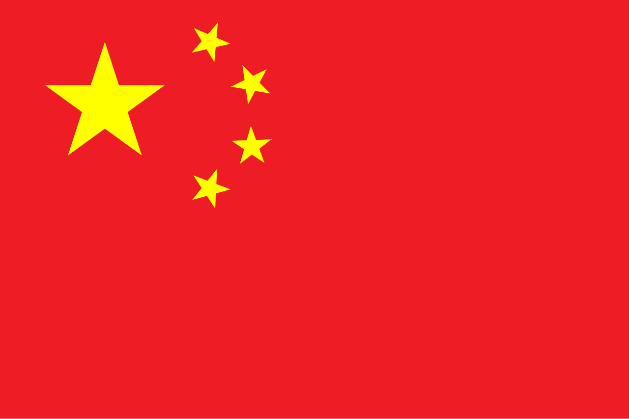
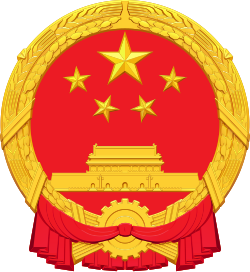
Its flag and emblem are as shown below:
Flag
Emblem
China’s national anthem is "March of the Volunteers" (Chinese: 义勇军进行曲; pinyin: Yìyǒngjūn jìnxíngqǔ)
2. Geography
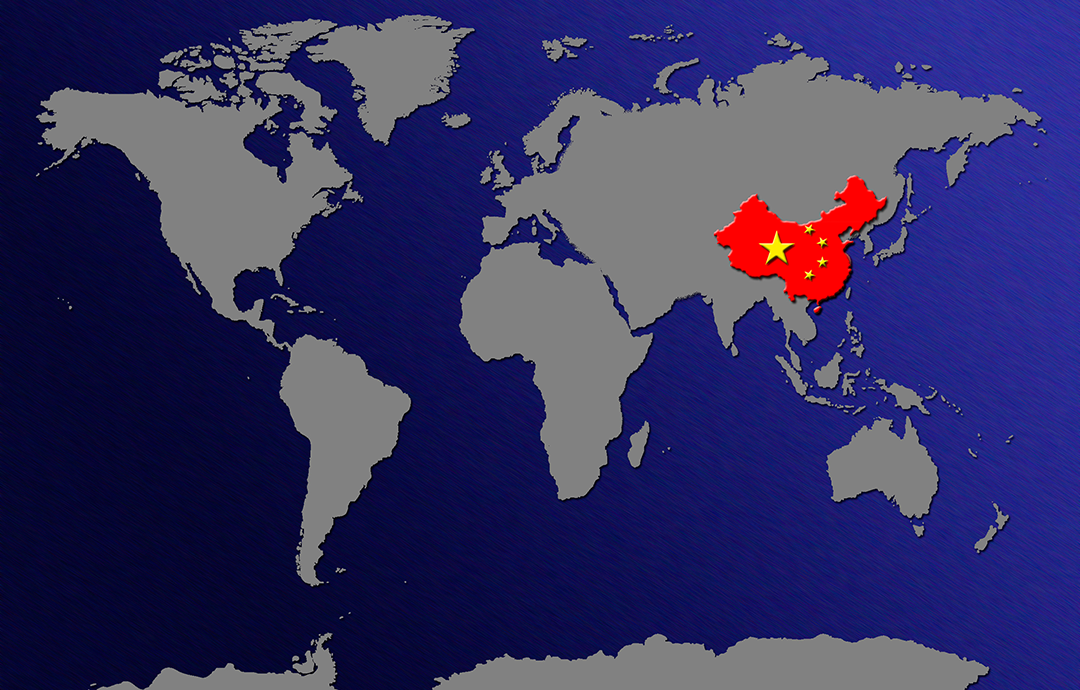
China is located in Asia, the world's largest and most diverse continent, on the eastern part of the Asian continent known as East Asia.
With a land area of 9.6 million square kilometers (3,700,000 sq mi), China is the third-largest country by area. It shares its land borders with 14 countries — the most in the world — while it shares its major mainland coastline with the western shore of the Pacific Ocean. Its mainland coastline runs roughly 14,500 to 18,000 kilometers from the mouth of the Yalu River in the north to the Gulf of Tonkin in the south. Additionally, its island coastline accounts for an extra 14,000+ kilometers, encompassing over 6,900 islands including Taiwan and Hainan.
It features a diverse topography that ranges from the high Tibetan Plateau in the west to fertile plains and a long, island-studded coastline in the east.
With a population exceeding 1.4 billion as at May, 2026, representing 17% of the world's population, it is the second-most populous country in the world after India.
Beijing is the capital, while Shanghai is the most populous city by urban area and largest financial center.
3. Governance System
The country is divided into 34 province-level divisions as follows:
a. 23 provinces,
b. 5 autonomous regions,
c. 4 municipalities, and
d. 2 semi-autonomous special administrative regions.
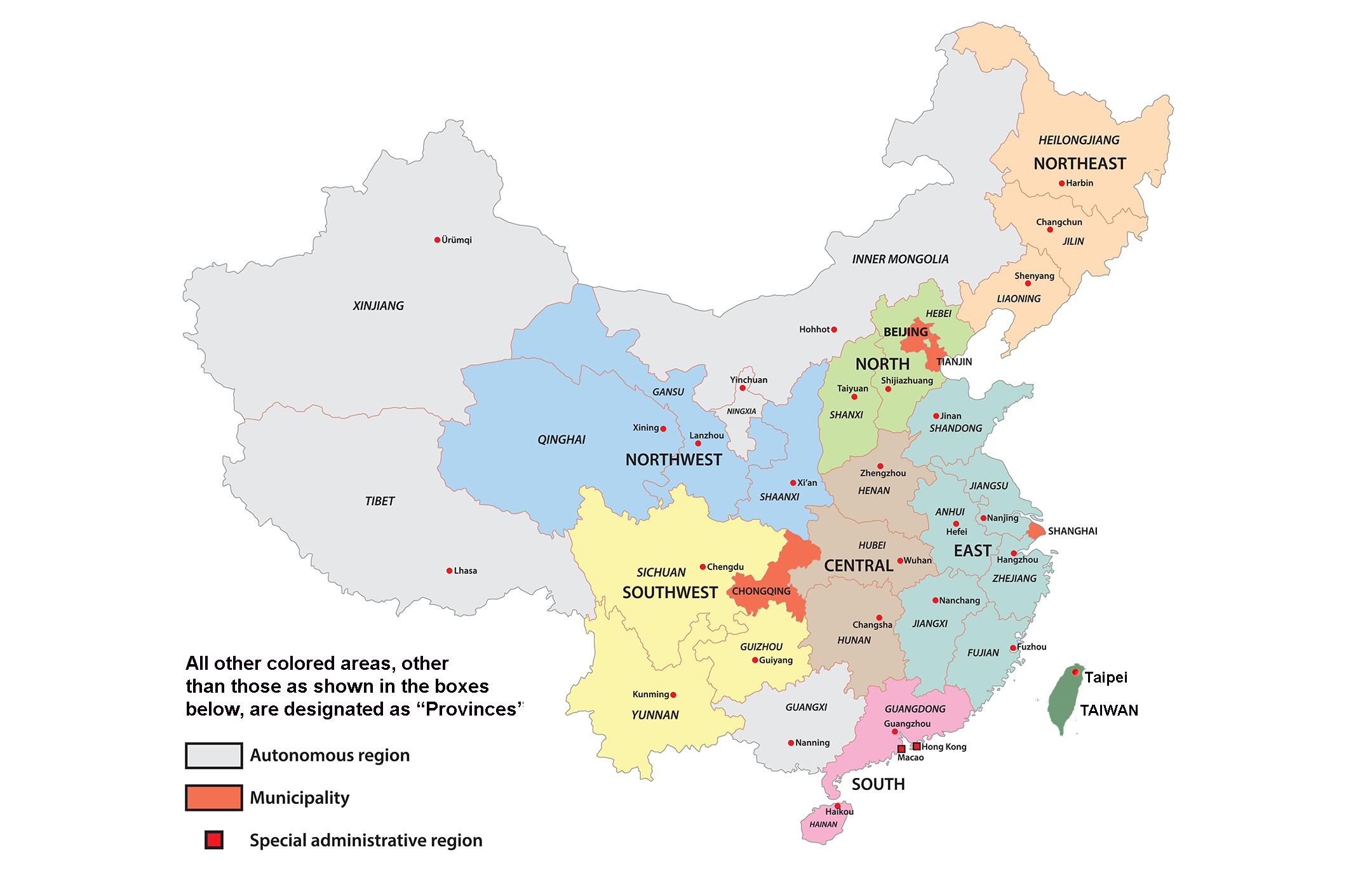
a. Provinces
Provinces (Chinese: 省; pinyin: Shěng) are the most numerous types of province-level divisions. There are currently 23 provinces administered by the PRC, and one further area that it claims but does not administer, which is the nation of Taiwan (ROC).
The 23 provinces, in alphabetical order are:
| No. | Name of Province | No. | Name of Province |
| 1. | Anhui | 13. | Jiangxi |
| 2. | Fujian | 14. | Jilin |
| 3. | Gansu | 15. | Liaoning |
| 4. | Guangdong | 16. | Qinghai |
| 5. | Guizhou | 17. | Shaanxi |
| 6. | Hainan | 18. | Shandong |
| 7. | Hebei | 19. | Shanxi |
| 8. | Heilongjiang | 20. | Sichuan |
| 9. | Henan | 21. | Taiwan |
| 10. | Hubei | 22. | Yunnan |
| 11. | Hunan | 23. | Zhejiang |
| 12. | Jiangsu |
The local governments of Chinese provinces consist of a Provincial People's Government headed by a governor who acts as the executive, a Provincial People's Congress with legislative powers, and a parallel provincial branch of the Chinese Communist Party (CCP) that elects a party secretary and a provincial standing committee.
b. Autonomous Regions
The autonomous regions are referred to in the Chinese language as 自治区; pinyin: Zìzhìqū; literally 'self-governing area'. Like provinces, an autonomous region has its own local government, but under the law of the People's Republic of China, an autonomous region has more legislative rights, such as the right to "formulate self-government regulations and other separate regulations." An autonomous region is the highest level of minority autonomous entity in China, which has a comparably higher population of a particular minority ethnic group.
There are five autonomous regions in China:
- Guangxi,
- Inner Mongolia (Nei Menggu),
- Ningxia,
- Tibet (Xizang), and
- Xinjiang.
c. Municipalities
In China, municipalities are directly affiliated with the central government of China and directly administered. In the Chinese language, a municipality is referred to as 直辖市; pinyin: Zhíxiáshì; literally 'direct-administered city'. Although a city by name, a Chinese municipality is more than a city in a traditional sense. It is equivalent to a province as it is usually composed of a central urban area and a number of much larger surrounding suburban and rural areas. There are four such municipalities in China:
- Beijing,
- Chongqing,
- Shanghai, and
- Tianjin.
d. Special Administrative Regions
The special administrative regions (SAR) (Chinese: 特别行政区; pinyin: tèbié xíngzhèngqū) of the People's Republic of China are directly under the control of its Central People's Government (State Council).
At present, there are two SARs established by the Constitution:
- Hong Kong, and
- Macau.
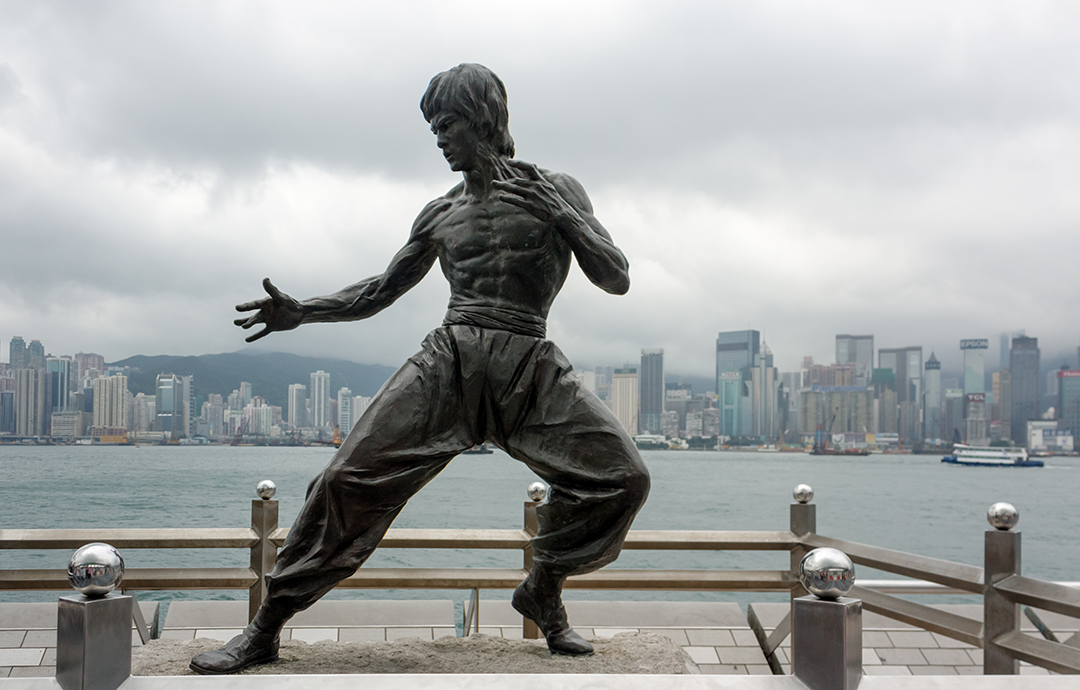

As a region, they possess the highest degree of autonomy from China's central government and operate under the "One Country, Two Systems" policy where the Chinese Central Government is responsible for the diplomatic, military and other state-level affairs of the two SARs. Nevertheless, both of the two abovementioned SARs continue to possess their own multi-party legislatures, legal systems, police forces, separate customs territory, immigration policies, left-hand traffic, official languages, academic and educational systems, representation on certain international bodies and representation in international competitions, and other aspects that fall within the autonomous level. They retain their own legal systems, currencies, immigration controls, and taxation policies, separate from mainland China. However, despite the relative autonomy that the Central People's Government offers the special administrative regions, the National People's Congress and its Standing Committee remain capable of enforcing laws for the special administrative regions.
These former British and Portuguese territories were transferred to China in 1997 and 1999 respectively, following the Sino-British and Sino-Portuguese Joint Declarations signed in 1984 and 1987, respectively. Pursuant to their Joint Declarations, which are binding inter-state treaties registered with the United Nations, and their Basic laws, the Chinese SARs "shall enjoy a high degree of autonomy".
The provision to establish special administrative regions appeared in the constitution in 1982, in anticipation of the talks with the United Kingdom over the question of the sovereignty of Hong Kong. It is envisioned to be the model for the eventual unification with Taiwan and other islands, where the Republic of China has resided since 1949.
Special administrative regions should not be confused with special economic zones, which are areas in which special economic laws apply to promote trade and investments. The Wolong Special Administrative Region in Sichuan province is a nature reserve and not a political division.
4. Ethnic Diversity
China officially recognizes 56 distinct ethnic groups. The Han Chinese make up the overwhelming majority, accounting for about 91% of the population. The remaining 9% is composed of 55 officially recognized ethnic minority groups, which collectively represent over 125 million people.
These minorities are highly diverse in their languages, cultures, and geographic distribution.
Major Ethnic Groups
- Han Chinese: The dominant group, comprising approximately 1.2 billion people. They are spread widely across the country, primarily in the central plains and coastal areas.
- Zhuang: The largest minority group with over 16 to 19 million people, largely residing in the southern Guangxi Zhuang Autonomous Region.
- Hui: An ethnically diverse, predominantly Muslim population of over 11 million people, spread across northwestern China and urban centers nationwide.
- Uyghurs: A Turkic-speaking, predominantly Muslim group of over 11 million people, primarily based in the northwestern Xinjiang Uyghur Autonomous Region.
- Miao: Numbering over 11 million, this group is known for its rich oral history, silver craftsmanship, and is concentrated mostly in mountainous regions of southwestern China.
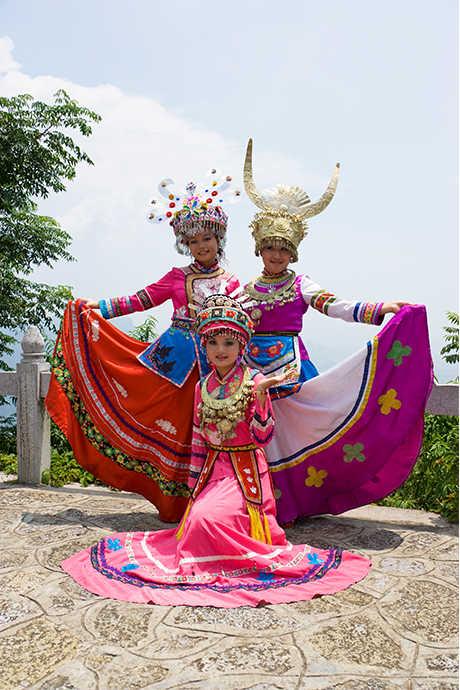
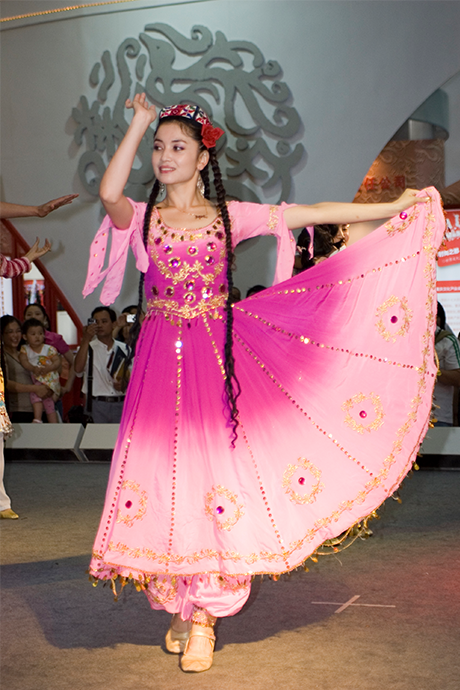
- Tibetans: With a population of over 6 to 7 million, they largely practice Tibetan Buddhism and reside on the high-altitude Tibetan Plateau.
Geographical Distribution
While the Han population is widely distributed, ethnic minority groups primarily inhabit China's border regions and mountainous hinterlands.
- Autonomous Regions: China has five designated provincial-level autonomous regions to accommodate concentrated minority populations: Guangxi (Zhuang), Inner Mongolia (Mongols), Ningxia (Hui), Tibet (Tibetans), and Xinjiang (Uyghurs).
- Yunnan Province: Located in the southwest, this province is the most culturally and ethnically diverse region in China, home to about 25 different recognized ethnic groups.
Language and Culture
Ethnic diversity in China is highly pronounced through languages and writing systems. [1]
- Languages: While Mandarin Chinese is the national lingua franca, ethnic minorities speak dozens of different languages belonging to the Sino-Tibetan, Turkic, Mongolic, Tungusic, and Kra-Dai language families.
- Writing Systems: Approximately 23 of the ethnic minority groups utilize their own distinct traditional written scripts (e.g., Tibetan, Uyghur, and Mongolian).
5. Belt and Road Initiative
What is the Belt and Road Initiative?
The Belt and Road initiative was first introduced by Chinese President Xi Jinping in 2013. The vision is to create and improve the physical (infrastructure), financial (lending, capital-raising) and policy (e.g. customs, trade alliances) conditions that will facilitate greater trade and investment.
It consists of the Silk Road Economic Belt (the ‘Belt’) and the 21st Century Maritime Silk Road (the ‘Road’). The ‘Belt’ is a land-based route leading from China through Central Asia to Europe, and the ‘Road’ is sea-based, passing through Southeast Asia, Africa, Middle East and reaching Europe. It connects more than 65 countries with a continually growing geographical reach; the countries involved account for approximately 4.4 billion people, around 63 per cent of the world’s population, and 29 per cent of global GDP.
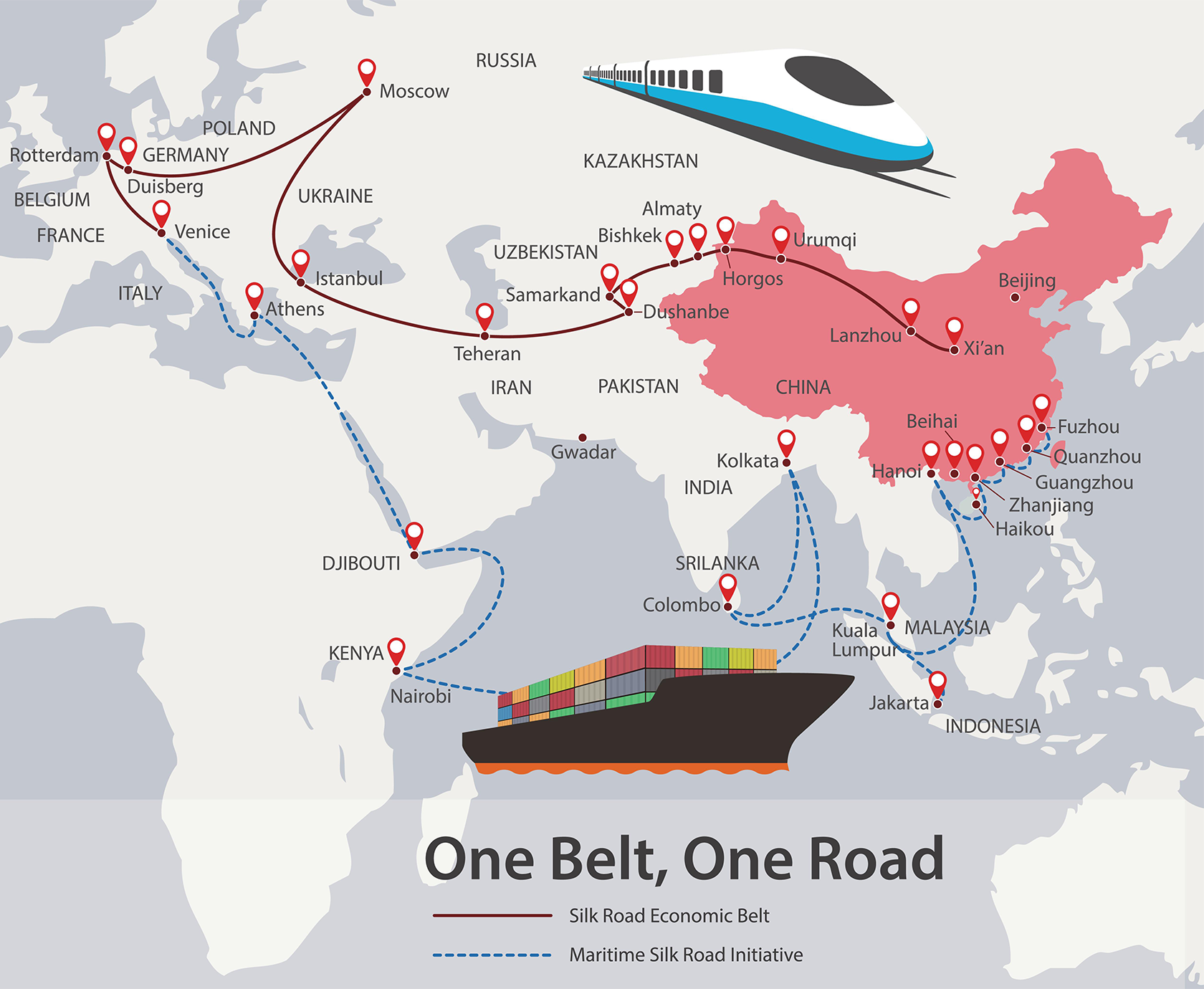
New and improved trade routes and infrastructure will make it quicker and easier for businesses to trade globally, with access to new markets and helping to streamline existing supply chains. It is becoming increasingly evident that the benefits are not limited to China alone; it will have a huge impact on the global economy and local businesses on and off the Belt and Road.